

How to sell a polo pony: pricing, photos and paperwork
How to sell a polo pony in the UK — realistic pricing, a listing built on the record, honest photos, trials, vettings and the paperwork that closes the sale.
Selling a polo pony well is mostly a matter of seeing her the way a buyer sees her. You know she loads first time, that she has not had a lame day in four seasons, that she carried you through your first tournament with her ears pricked. The buyer knows none of it. They know what your listing states, what your photographs show and what your paperwork proves. Everything in this guide to how to sell a polo pony in the UK — at a fair price, in reasonable time, to a home you feel good about — follows from that one shift: stop describing the pony you love and start evidencing the pony they need.
It helps to know what the other side has been told. Buyers are advised — by us among others, in our guide to buying a polo pony — to ignore the story and buy the record, to ride before they buy, and to vet anything they cannot afford to lose. A seller who meets all three expectations before being asked has done most of the selling already.
Price her honestly
Overpricing feels safe, because you can always come down. In practice it is the most expensive mistake a seller makes, and the arithmetic is worth doing properly.
Start from what the UK market actually pays, not from what she cost you or what her full sister made. In round terms this season: a steady club schoolmaster sells between £8,000 and £12,000, a made low goal pony in her prime £14,000–£20,000, and proven medium goal ponies £25,000 upwards, with imported Argentine breeding commanding a premium throughout. The reasoning behind those bands is set out in what a polo pony costs in the UK. Then check yourself against the live market: browse the ponies for sale, find the animals a buyer would genuinely compare yours with — same age bracket, same level, similar record — and price against those, not against sentiment.
Now the cost of getting it wrong. A pony advertised at £18,000 that the market values at £14,000 does not sell; she sits. While she sits, she eats: livery, shoeing, feed and fitness work on a playing pony run to several hundred pounds a month. Hold out for a season and you have spent most of the difference on keep — and you still own the pony, who is now a year older. The "ambitious" asking price is not ambition. It is a discount you grant slowly, in monthly instalments, to nobody.
Write the listing around the record
Buyers filter before they read. Age, height, playing level, schooling status, temperament, price: these are the boxes they tick on the way to your photographs, and a listing that leaves them blank is filtered out unseen. Answer them plainly, and put the pony's name in the headline — buyers remember names, not adjectives.
Then give them the record, not the story. Where has she played, at what level, for how many seasons, with what sort of rider on board? "Three full seasons of club and low goal chukkas with an amateur owner, still sound" does more work than three paragraphs of superlatives. On temperament, be specific rather than lyrical: what she is like in the pony lines, in the lorry, in a ride-off, in chukka one versus chukka six. "Forward but sane; needs riding, not managing" tells a buyer exactly who should ring you — and, just as usefully, who should not.
Take photographs that do the selling
Most listing photographs fail before composition is even a question: bad light, cluttered yard, pony asleep on a resting leg. The standard to aim for is not professional; it is honest and legible.
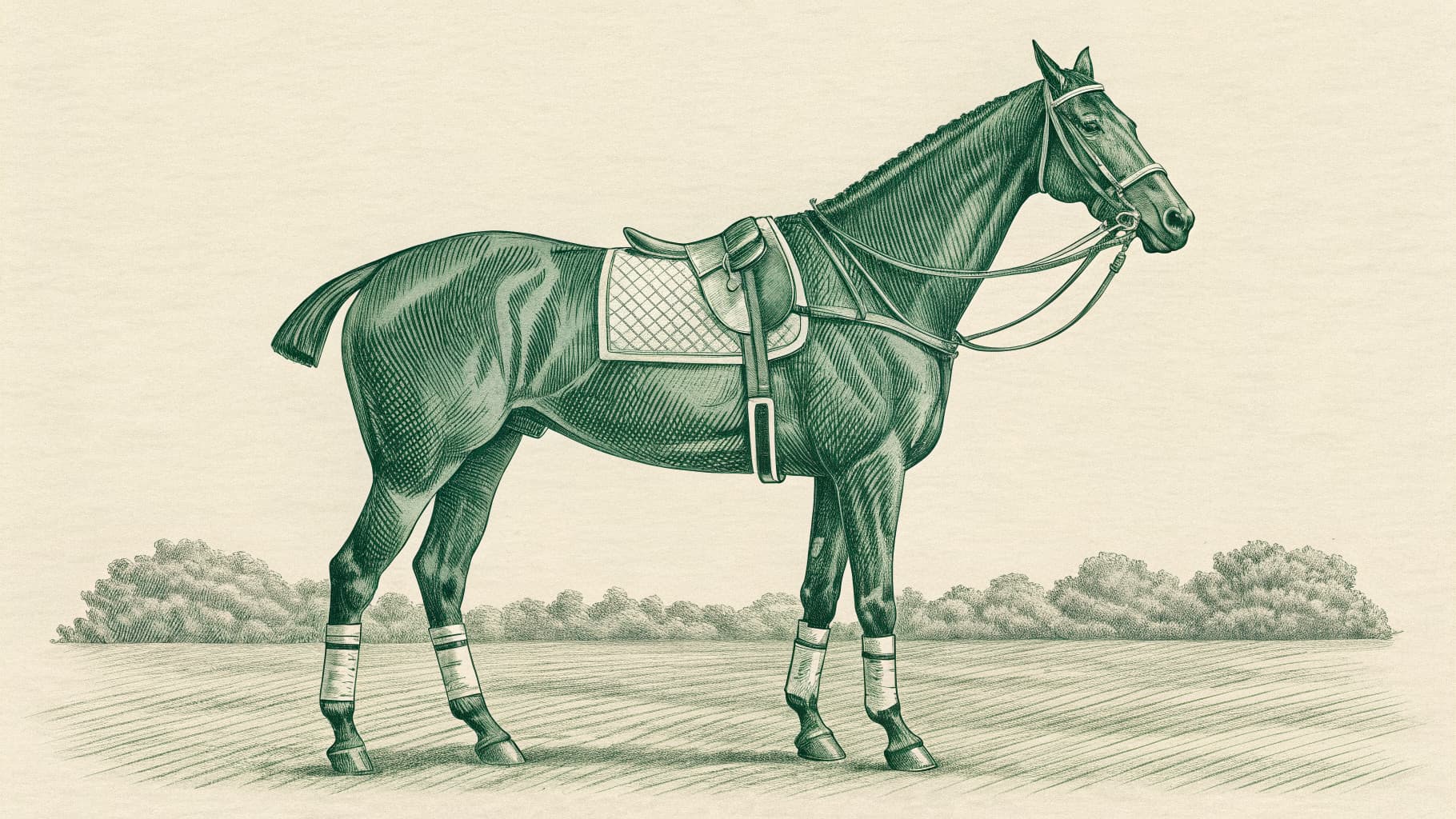
- Conformation shots. Stand her up square on level ground, side-on, in natural daylight against a plain background. Take the bandages off for these — the buyer wants to see the legs you are asking them to buy.
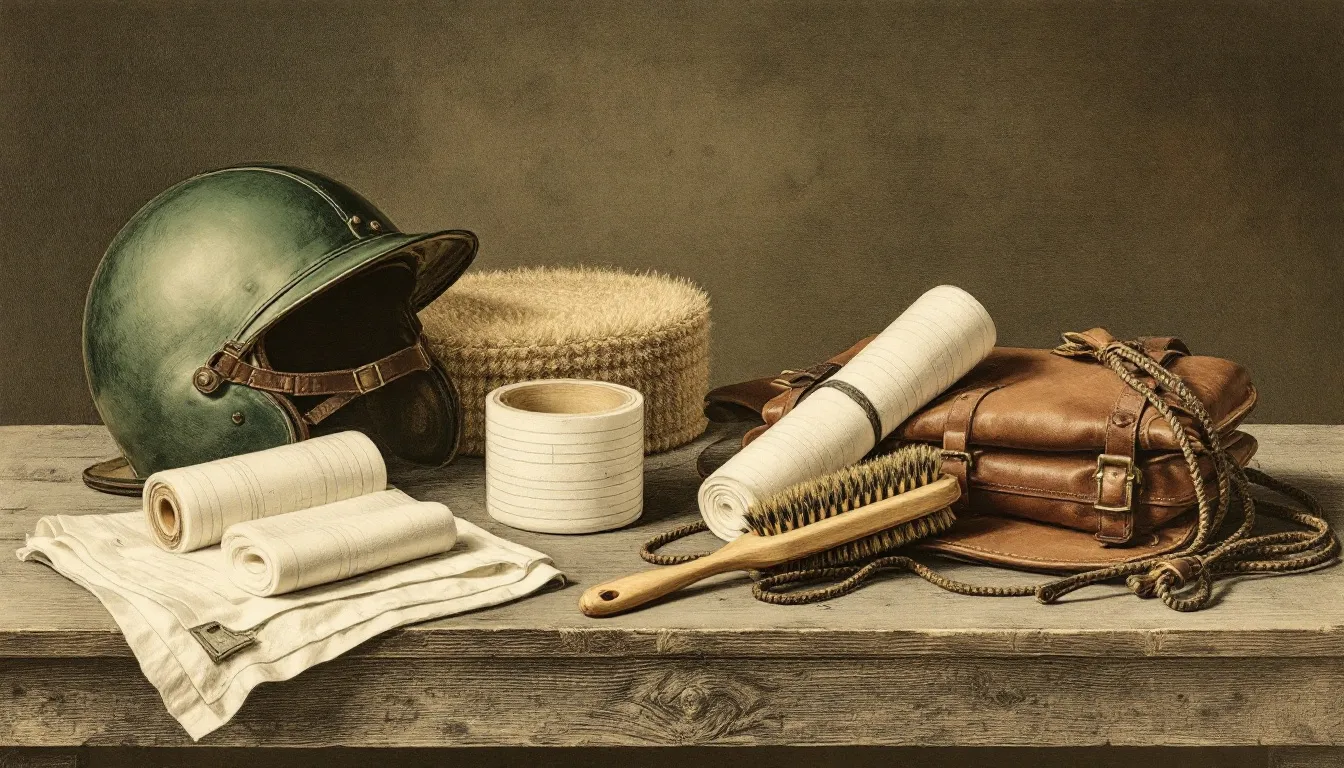
- Playing turnout for ridden shots. For stick-and-ball photographs and video, turn her out as if for a chukka: four white bandages, tail tied up, mane hogged, tack clean and fitted. A flowing tail in playing footage tells a knowledgeable buyer that the seller is not one.
- Video. Two minutes of phone footage, landscape, no music, no filters: walk and canter on both reins, stops and turns, a swing on each side, and real chukka footage if you have it. Unedited beats polished — buyers trust what looks like evidence, not marketing.
- Crop nothing out. A helper's hand at the lead rope, edited out at the elbow, makes a buyer wonder what else has been tidied away. Show the handler.
Offer the trial and welcome the vetting
Nothing you can write reassures a buyer as much as two short phrases: open to trial, open to vetting.
A fair trial costs you little — a stick-and-ball session at your yard, slow chukkas at the buyer's club if she travels well — and any serious buyer will expect one. Offer it before you are asked. The same goes for the five-stage vetting: the confident seller welcomes it, has the passport and history ready for the vet, and does not flinch at flexions.
Every condition a seller puts on trial and vetting is read, fairly or not, as something to hide.
On PoloPonies both signals sit right on the listing, so buyers can filter for them — which is exactly why they work.
Declare the problems yourself
If she has a wind issue, an old tendon, a stable vice or a quirk under pressure, say so in the listing and price for it. This is not saintliness; it is self-interest. A concealed problem surfaces at the vetting — after you have spent weeks on a sale that now collapses — or worse, after the sale, when it comes back attached to a furious buyer and a demand for return. A returned pony plus a burned reputation costs more than any discount you avoided, and polo is a small enough world that the story of the pony travels faster than the pony does. Disclosed honestly, most issues do not kill a sale; they adjust a price. Concealed, they kill the next three sales as well.
The best time to sell a polo pony
The UK season runs, broadly, May to September — the Hurlingham Polo Association fixture list shapes everyone's diary — and demand follows it. The strongest window is late winter into spring, when buyers are mounting up for the season ahead and a made pony carries a premium because she can be playing next month. The end of the season brings the most sellers, not the most buyers: everyone offloading before winter keep, prices soft, buyers spoilt for choice.
If you can afford to carry her, list in February and sell in April. An October sale spares you a winter's livery, but you will be one of many making the same calculation, and the price will say so.
Paperwork that closes the sale cleanly
By law every horse in the UK must have a passport and a microchip, and the passport should be registered in your name before you advertise — a buyer who has done any reading will check, and a passport in a previous owner's name stalls the sale at the worst possible moment. Before completion:
- Check the passport is registered to you and the description matches the pony in front of you.
- Check the microchip reads and matches the passport — the vetting will do this anyway.
- Write a receipt: price, date, both parties, what is included, and any conditions such as subject to vetting.
- Hand over the passport on the day — it travels with the pony, and the new keeper must register the transfer within 30 days. Point them to it; it finishes the job properly.
Then let the market see her
Priced against the market, written around the record, photographed honestly, open to trial and vetting, papers straight: do all of that and what remains is simply being seen. List your pony on PoloPonies — it takes about ten minutes and costs nothing, with no listing fee and no commission on either side. Sellers are verified, and buyers filter by exactly the facts you have just set down: age, height, level, schooling, temperament, record.
Sell her the way you would want to buy her. It is quicker, and in the end it is worth more.
More from the Journal
No. 005 · Polo Life
What breed are polo ponies? Thoroughbreds, mostly
What breed are polo ponies? None — it's a job title. Where playing ponies come from: Thoroughbreds, ex-racehorses and Argentina's purpose-bred Polo Argentino.
18 July 2026 · 5 min read
No. 004 · Buying Guides
Polo pony vettings: what the five stages really tell you
What a five-stage polo pony vetting covers, what polo adds to the standard exam, when X-rays are worth it, and what to do when findings turn up.
18 July 2026 · 7 min read
No. 002 · Buying Guides
How much does a polo pony cost? UK prices explained
How much does a polo pony cost in the UK? Honest price bands from club schoolmaster to medium goal, what drives them, and the true annual cost of keeping one.
18 July 2026 · 6 min read